
Menu safety
Allergen Labeling Basics Every Restaurant Should Know
Getting allergen information right protects your guests and your business. Here are the fundamentals.
Practical, honest advice from the team behind MenuAegis, written to help you do this well.
Getting allergen information right protects your guests and your business. Here are the fundamentals.
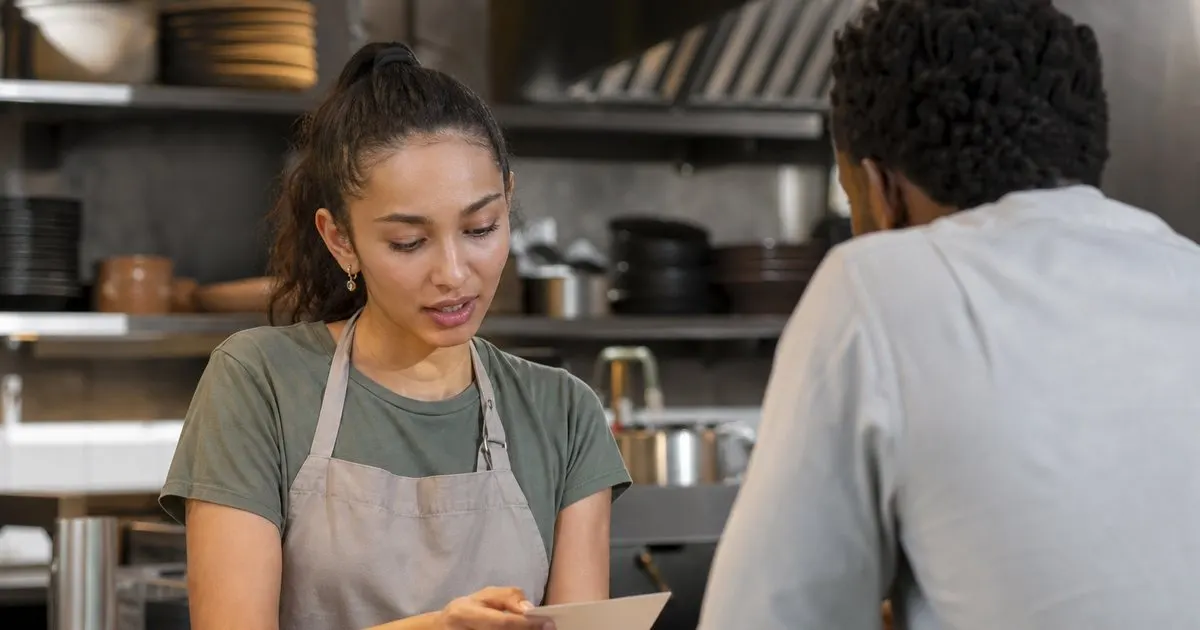
The laminated card on the counter is often wrong. Here is why, and what to do instead.

Safety and appetite are not opposites. Here is how to serve both on the same menu.

The best allergen menu fails if the kitchen is not careful. Here is what every team member should understand.
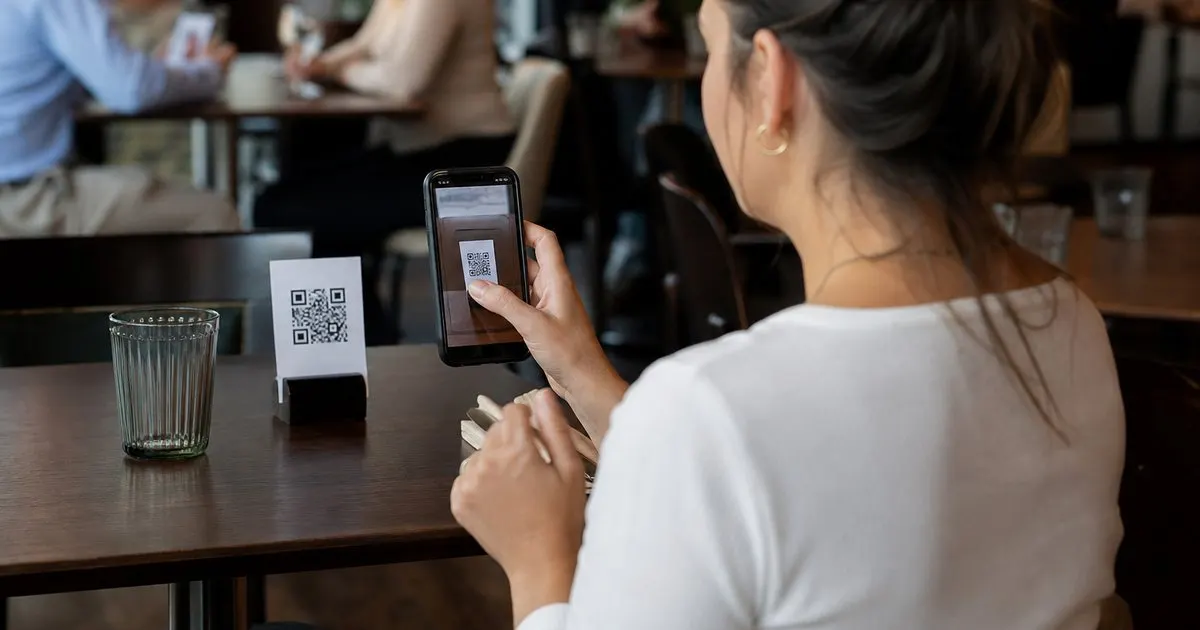
QR menus are more than a pandemic habit. Here is why they are genuinely useful for allergen safety.

How your team responds to an allergy request shapes the whole meal. Here is how to do it well.

Nutrition details can help or overwhelm. Here is how to present them well.
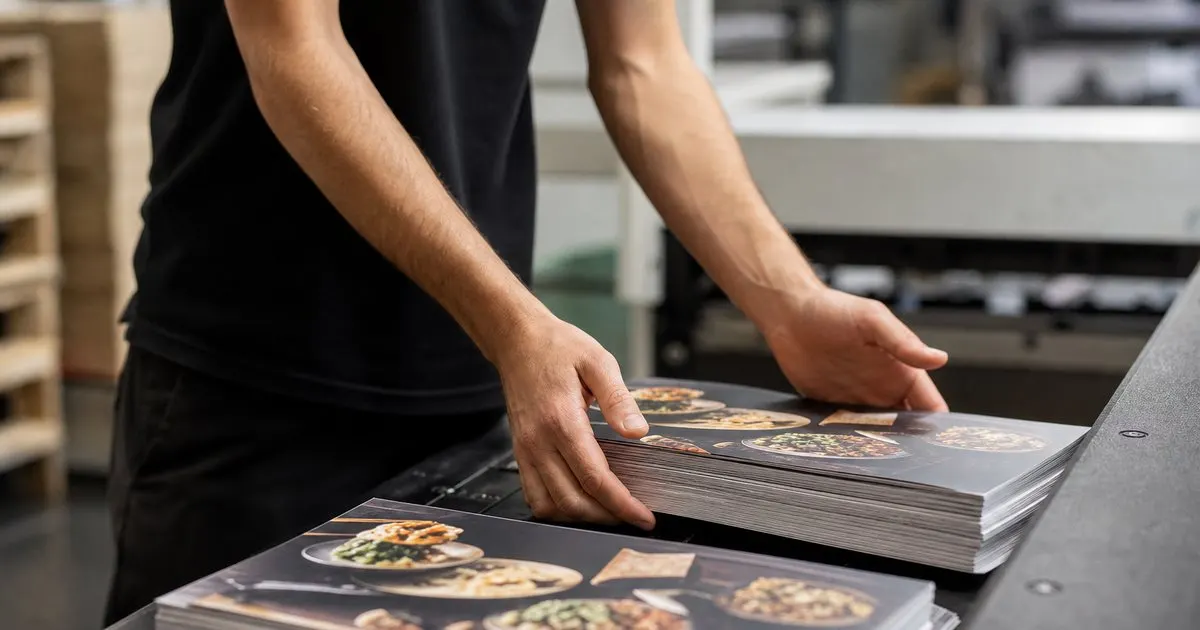
Changing a dish should not mean reprinting the menu. Here is how to update effortlessly.

Guests with allergies are loyal to places they can rely on. Here is how to earn that loyalty.

Suppliers substitute, reformulate, and change brands without telling the kitchen. Here is a receiving and documentation routine that surfaces those changes before a guest with an allergy orders.

Specials are where allergen information breaks down: improvised, changed mid-shift, and rarely documented. A five-minute routine keeps them as safe as the core menu.

Sesame joined the federal list of major food allergens in 2023, but many restaurant matrices were built before that and never caught up. Here is where it hides and how to close the gap in a week.
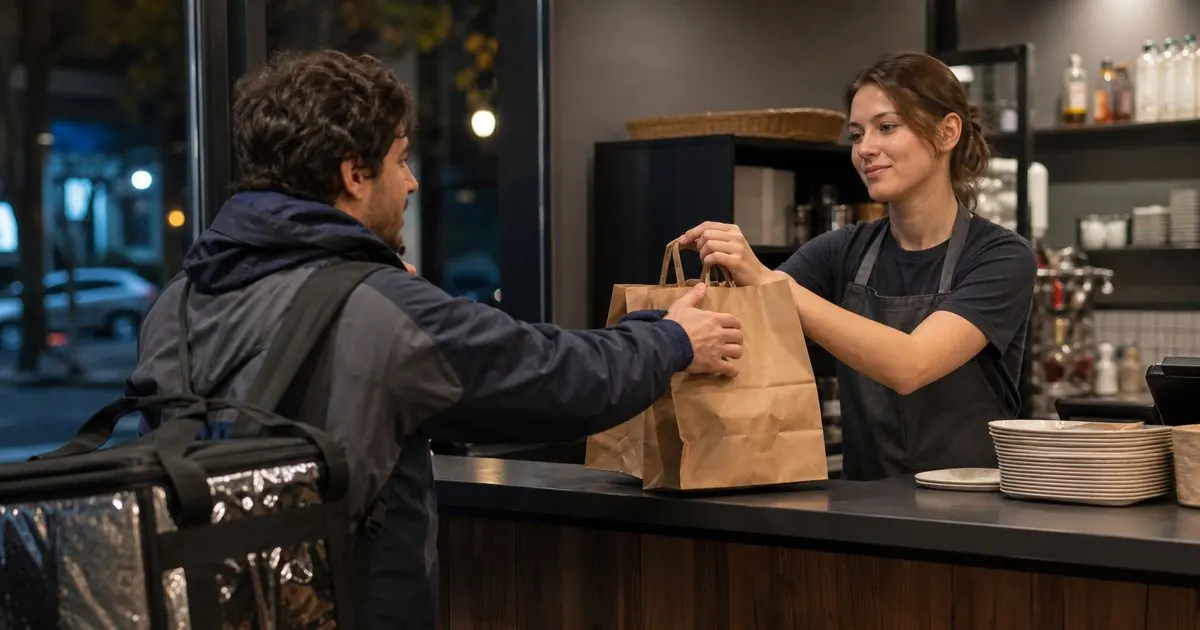
Delivery platforms copy your menu once and rarely see your updates. A guest ordering from a phone at home has no server to ask, so the listing has to carry the information itself.

Groups with several locations often let each kitchen run its own allergen sheet. That flexibility is where guests get hurt. Here is what to standardize and what to leave local.

Turnover means someone on the floor is always new. A clear sign-off standard tells managers when a server is ready and tells the server what to do until then.

Self-service removes the server from the conversation. Labels, layout, and serving utensils have to do the talking, and most of the failures come from the last hour of setup.

Owners assume the matrix is a one-time project. The honest answer is that it is a small recurring job, and the size depends on how you built it.

The first minutes are about the guest, not the paperwork. What you do in the following hour decides whether the kitchen learns anything and whether the record holds up later.

Beverage programs carry milk, egg, tree nuts, and grains, yet most allergen matrices stop at the kitchen door. Here is how to document a bar so bartenders can answer honestly.

Mustard, corn, alliums, mollusks, and alpha-gal never appear in a nine column allergen matrix. Here is how to answer those requests honestly, and how to store data that can answer them next time.