Allergen Labeling Basics Every Restaurant Should Know
Getting allergen information right protects your guests and your business. Here are the fundamentals.
Every restaurant should treat allergen information as a core safety duty, not paperwork. Learn which major ingredients cause most reactions, flag them clearly on each dish, give guests a definite yes or no rather than a vague warning, and update the details the moment a recipe or supplier changes.
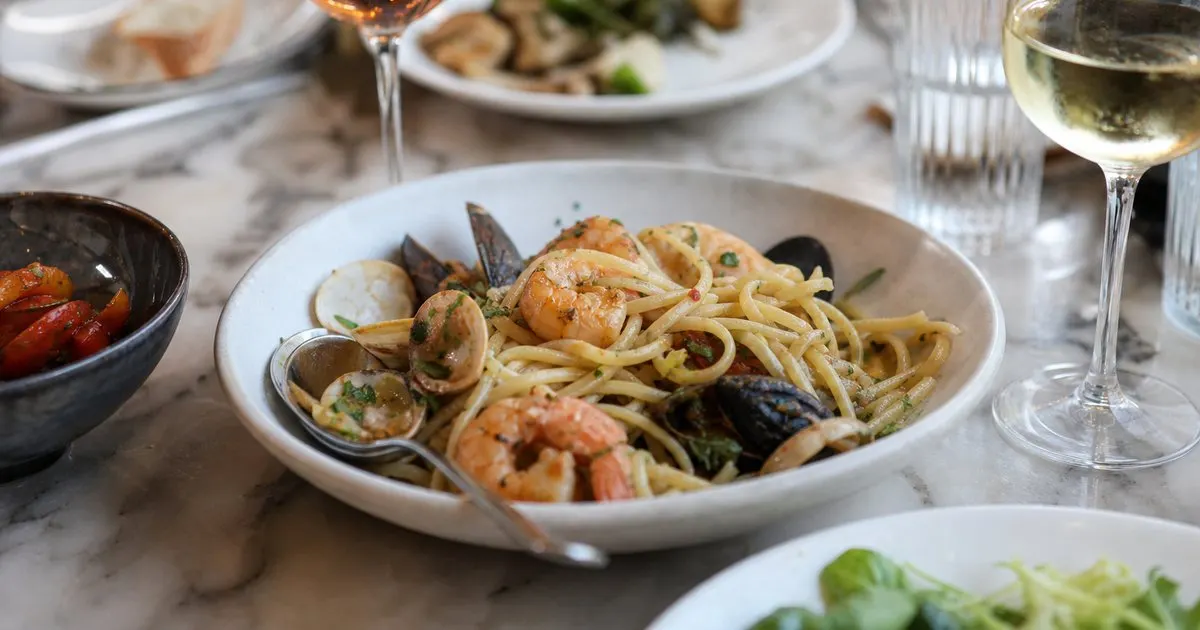
Allergen information is a responsibility
For a guest with a serious allergy, the accuracy of your allergen information is not a nicety, it can be a matter of health. Treating it as a core responsibility, not an afterthought, is the foundation of doing this well. Related: Building Trust With Guests Who Have Allergies
Keep reading: Why a Printed Allergen Card Goes Out of Date, Building a Menu That Is Safe and Appealing, Cross Contamination: What Staff Need to Know. See how MenuAegis helps you live allergen and nutrition menus with an auto-updating qr.
Know the major allergens
A handful of ingredients account for most serious food allergies. Knowing which they are, and being able to say clearly which dishes contain them, is the baseline every kitchen should meet. Related: When should a new server be allowed to answer allergen questions alone?
Be precise, not vague
A guest needs a clear yes or no, not a hedge. Precise, per dish allergen information lets staff answer confidently, which is far safer than a general disclaimer that helps no one decide. Related: How do you keep allergen information accurate on third-party delivery apps?
Keep it current
Allergen information is only useful if it matches what is actually in the dish today. When a recipe or supplier changes, the information must change with it, or it quietly becomes wrong. Related: How do you catch a supplier ingredient swap before it reaches your allergen menu?
- Allergen accuracy is a health responsibility
- Know and clearly flag the major allergens
- Give precise per dish answers, not vague disclaimers
- Update allergen information whenever recipes change

Julien Jimenez
Julien Jimenez is an independent software builder based in Paris. He designs, ships, and operates focused SaaS products for small businesses and independent professionals. Read the full author page.
Frequently asked questions
Which allergens should a restaurant flag on its menu?
A small group of ingredients causes most serious food allergies, such as peanuts, tree nuts, milk, eggs, wheat, soy, fish, and shellfish. A kitchen should know which of these appears in each dish and be able to say so clearly.
How often should allergen information be reviewed?
Review it whenever a recipe, ingredient, or supplier changes, since even a small substitution can introduce an allergen. Outdated information that no longer matches the plate is the most common way accurate labeling quietly becomes wrong.
Allergen answers your staff can trust
Live allergen and nutrition menus with an auto-updating QR. MenuAegis is built to help you put this into practice.
Build your menuMore from the MenuAegis blog

Why a Printed Allergen Card Goes Out of Date

Building a Menu That Is Safe and Appealing

Cross Contamination: What Staff Need to Know
Get the MenuAegis playbook
Practical guides on menu safety, straight to your inbox as we publish them. No spam, unsubscribe any time.