Cross Contamination: What Staff Need to Know
The best allergen menu fails if the kitchen is not careful. Here is what every team member should understand.
Staff need to understand that safe ingredients can still become unsafe during preparation. Allergens travel on shared boards, utensils, fryers, and hands, so a clean ingredient list is not enough. Every declared allergy must reach the kitchen clearly, and consistent habits like separate tools and careful sequencing keep guests safe.
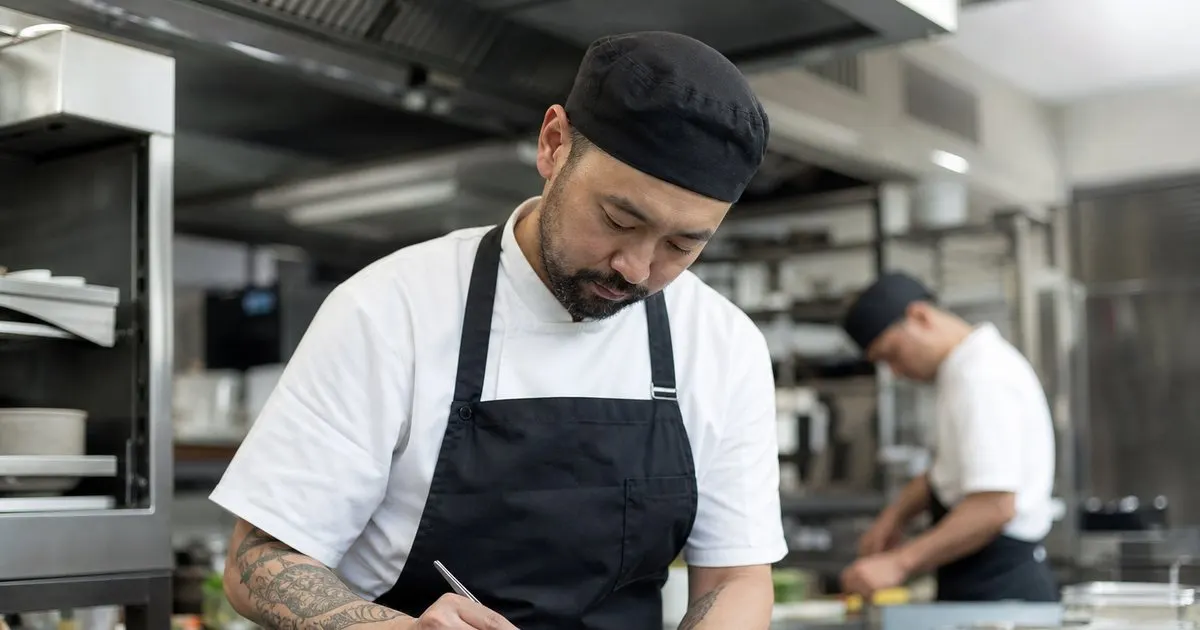
Ingredients are only half the risk
A dish can be made from safe ingredients and still become unsafe if an allergen reaches it during preparation. Cross contamination is the hidden half of allergen safety that lives in the kitchen, not on the menu. Related: Allergen Labeling Basics Every Restaurant Should Know
Keep reading: Allergen Labeling Basics Every Restaurant Should Know, Why a Printed Allergen Card Goes Out of Date, Building a Menu That Is Safe and Appealing. See how MenuAegis helps you live allergen and nutrition menus with an auto-updating qr.
Shared surfaces and tools
Allergens travel on shared boards, utensils, fryers, and hands. Understanding how an allergen moves through a kitchen is what lets staff prevent it, rather than assuming a clean ingredient list is enough. Related: How do you catch a supplier ingredient swap before it reaches your allergen menu?
Communicate the allergy clearly
When a guest declares an allergy, that information has to reach the people cooking, clearly and reliably. A breakdown in communication between floor and kitchen is a common point of failure. Related: Building Trust With Guests Who Have Allergies
Make care a habit
Preventing cross contamination is a set of small, consistent habits: separate tools, clean surfaces, careful sequencing. When those habits are routine, allergen safety holds up even on a busy night. Related: Why a Printed Allergen Card Goes Out of Date
- Safe ingredients can be contaminated in preparation
- Allergens travel on shared tools and surfaces
- An allergy must reach the kitchen clearly
- Consistent habits keep safety reliable under pressure

Julien Jimenez
Julien Jimenez is an independent software builder based in Paris. He designs, ships, and operates focused SaaS products for small businesses and independent professionals. Read the full author page.
Frequently asked questions
How do allergens spread in a kitchen?
They move on shared surfaces and equipment: cutting boards, knives, fryers, cloths, and unwashed hands. An allergen from one dish can reach another even when that second dish contains no allergenic ingredients of its own.
What habits prevent cross contamination during a busy service?
Use separate tools and boards for allergy orders, clean surfaces between tasks, and sequence preparation so allergens do not carry over. When these steps are routine rather than special effort, safety holds up even under pressure.
Allergen answers your staff can trust
Live allergen and nutrition menus with an auto-updating QR. MenuAegis is built to help you put this into practice.
Build your menuMore from the MenuAegis blog
Get the MenuAegis playbook
Practical guides on menu safety, straight to your inbox as we publish them. No spam, unsubscribe any time.