How should a kitchen respond when a guest reports an allergy that is not on the major nine list?
Mustard, corn, alliums, mollusks, and alpha-gal never appear in a nine column allergen matrix. Here is how to answer those requests honestly, and how to store data that can answer them next time.

The major nine is a labeling floor, not a medical list
US labeling law names milk, egg, fish, crustacean shellfish, tree nuts, peanuts, wheat, soybeans, and sesame. That list exists because those foods account for a large share of serious reactions and because packaged food needs one consistent declaration standard. It was never written to describe the full range of what people react to, and a guest immune system does not consult it. Kitchens that treat the nine as the complete universe of allergens end up holding a matrix that cannot answer the question actually being asked at the table. Related: Allergen Labeling Basics Every Restaurant Should Know
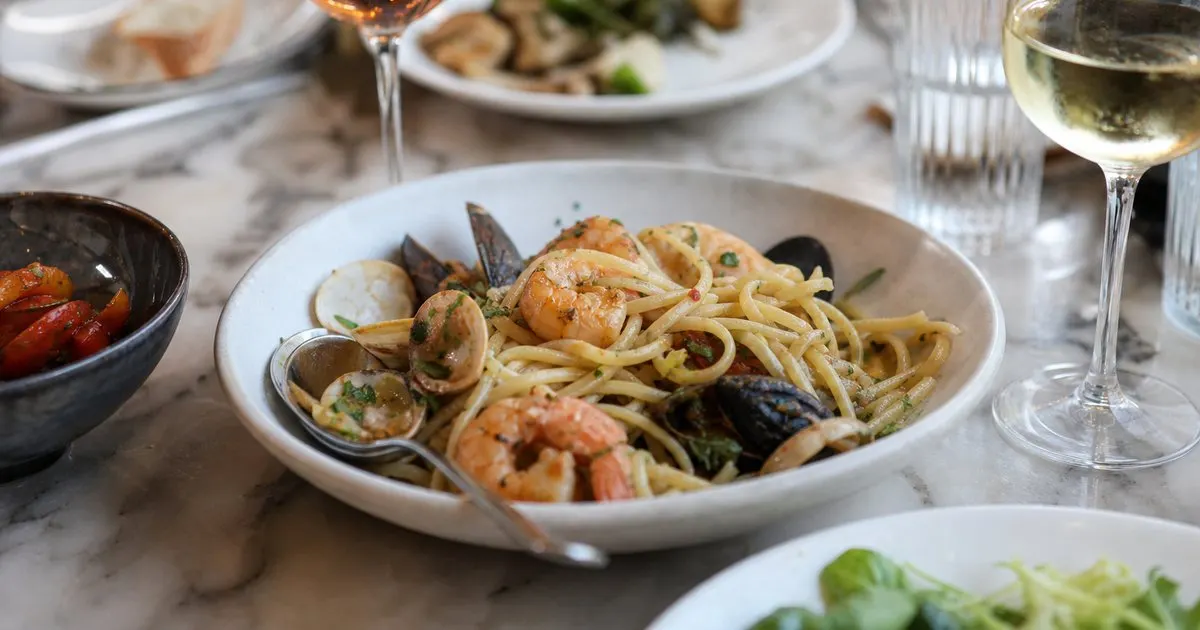
The requests that fall outside the list turn up often enough that many restaurants field them regularly. Mustard, celery, corn, alliums such as garlic and onion, legumes beyond peanut and soy, mollusks such as clams, mussels, and scallops, which sit outside the crustacean category, lupin, buckwheat, kiwi and other latex cross-reactive fruits, and alpha-gal, a reaction to mammalian meat that can follow certain tick bites. Add intolerances and medically supervised eliminations, which are not allergies but still need an accurate answer. Severity does not track the legal list. A mustard reaction can be every bit as serious as a peanut reaction.
Keep reading: Allergen Labeling Basics Every Restaurant Should Know, Why a Printed Allergen Card Goes Out of Date, Building a Menu That Is Safe and Appealing. See how MenuAegis helps you live allergen and nutrition menus with an auto-updating qr.
What to say at the table when you hold no data for that ingredient
The failure mode here is not rudeness, it is optimism. A server who wants to be helpful says a dish "should be fine" because nothing in the menu description mentions the ingredient. That is a guess dressed up as a fact, and it is the single most common way these requests go wrong. The correct move is slower and much safer. Repeat the allergen back to the guest, tell them you will check rather than answering from memory, and take the question to whoever holds the ingredient records. A couple of minutes before the ticket fires costs far less than a reaction mid service. Related: Why a Printed Allergen Card Goes Out of Date
When you come back, separate what you verified from what you could not. "I read the label on the stock and the spice blend, neither contains mustard, and the vinaigrette is made here without it" is a real answer. "I cannot confirm what is in the cured meat, so I would not serve it to you tonight" is also a real answer, and guests with uncommon allergies usually respect it, because they have heard a lot of confident guesses. Then offer two or three dishes with short, verifiable ingredient lists instead of sending the guest back to scan the whole menu alone.
Store ingredients, not checkboxes
A nine column matrix cannot answer a corn question, and no amount of diligence fixes that, because the data model discarded the information before the guest ever walked in. The structural fix is to store the full ingredient list for every dish, including sub-recipes and the ingredient statements from purchased products, then generate allergen flags from that record rather than typing them in by hand. Filtering a real ingredient list for mustard takes seconds. Rebuilding a matrix because a guest asked about something nobody anticipated takes an afternoon, and it happens during service.
Derived names are the reason this has to be searchable rather than remembered. Corn arrives as cornstarch, dextrose, maltodextrin, modified food starch, powdered sugar, baking powder, and many citric acid and xanthan gum products. Garlic and onion hide in stocks, spice blends, sausage, and most commercial sauces. Mustard hides in mayonnaise, barbecue sauce, curry powder, and pickle brine. If the record only says "vinaigrette", a search returns nothing useful. If it says vinaigrette with olive oil, red wine vinegar, dijon, shallot, salt, and pepper, the answer takes one query and no interpretation.
Decide in advance what you will and will not accommodate
Write the policy before the request arrives, and write it with the chef, not only with the general manager. Define what full accommodation means, which stations can be cleared down and which cannot, and which dishes are simply off the table for certain requests. A kitchen with one fryer, a shared grill, or a bakery program running flour all day has real limits, and pretending otherwise is more dangerous than declining. The policy should also name who makes the call during service, so a server on a busy Friday never has to invent one on the spot. Related: Handling an Allergy Request at the Table
Declining well is its own skill. Say what you cannot control, offer what you can serve safely, and do it early enough that the guest still has choices. Then close the loop internally. Note the allergen on the ticket, record the request, and review the log monthly. Requests that keep reappearing are a menu development signal rather than a nuisance. If several tables a week ask about garlic, one reliably allium free dish on the standing menu removes the improvisation permanently and takes pressure off every server you employ. Related: Building a Menu That Is Safe and Appealing
- The major nine covers labeling law, not the full range of reactions that guests actually bring to the table.
- Never answer from memory or say a dish should be fine; verify from labels and written recipes, or say plainly that you cannot.
- Store full ingredient lists per dish and sub-recipe so uncommon allergens can be searched rather than guessed.
- Write your accommodation and refusal policy in advance, and log repeat requests as menu development input.

Julien Jimenez
Julien Jimenez is an independent software builder based in Paris. He designs, ships, and operates focused SaaS products for small businesses and independent professionals. Read the full author page.
Allergen answers your staff can trust
Live allergen and nutrition menus with an auto-updating QR. MenuAegis is built to help you put this into practice.
Build your menuMore from the MenuAegis blog


Get the MenuAegis playbook
Practical guides on menu safety, straight to your inbox as we publish them. No spam, unsubscribe any time.